How to Lubricate Your Noisy Garage Door?
A noisy garage door often comes from dry rollers, hinges, springs, or bearings. A careful lubrication routine can make operation smoother and quieter.
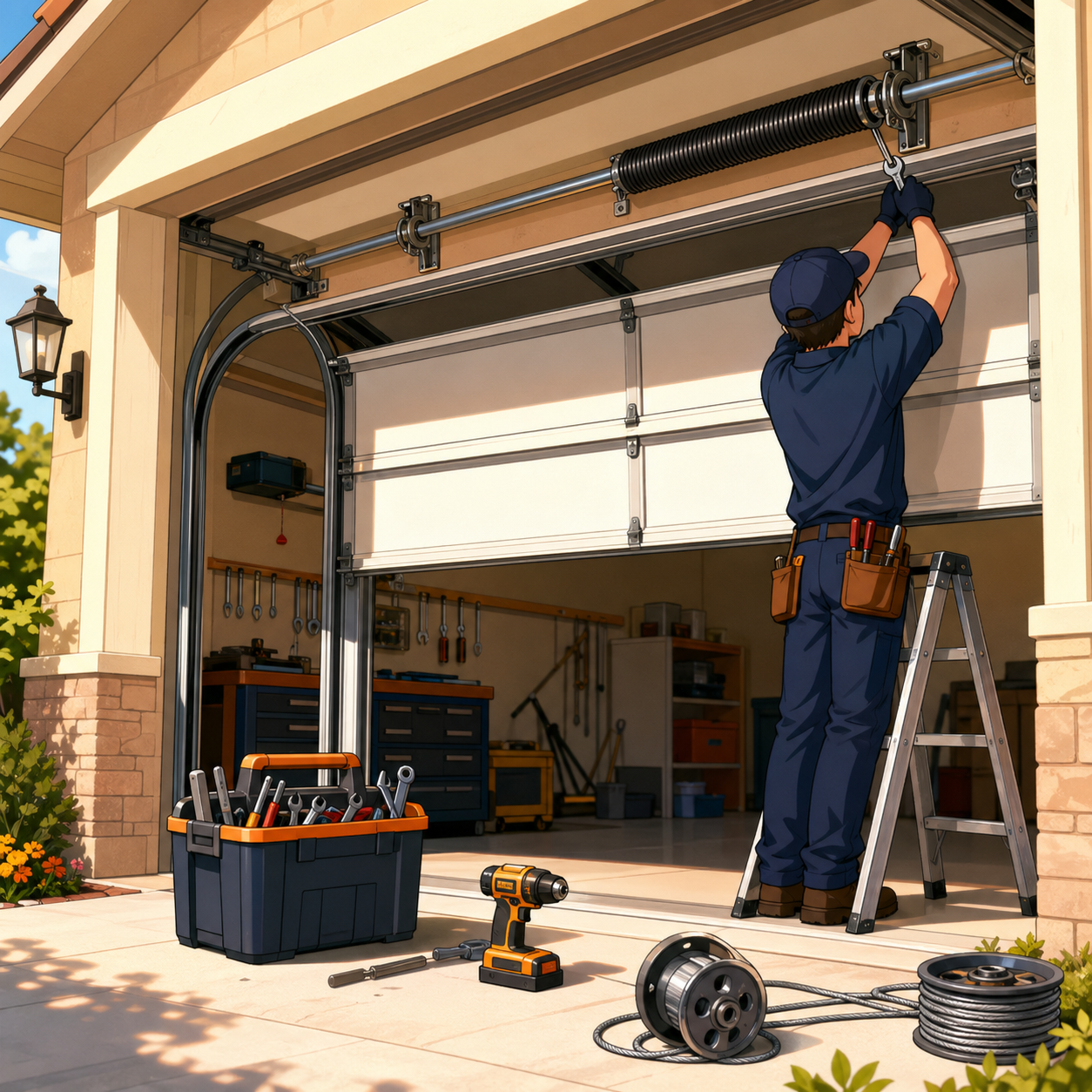
Identify where the noise starts
Listen while the door moves and note whether the sound comes from the hinges, rollers, springs, opener rail, or track area. Grinding, squeaking, popping, and rattling can point to different issues.
Do not ignore sudden loud bangs, loose cables, crooked movement, or a door that feels unusually heavy. Those symptoms can involve spring or cable problems that should be handled by a technician.
Use the right lubricant
Use a garage-door lubricant or silicone-based spray made for moving metal parts. Avoid heavy grease on exposed areas because it can collect dirt and make the track area messy.
Apply a modest amount. More lubricant is not always better, and excess spray should be wiped away before it drips onto the floor or door panels.
Lubricate the moving hardware
Focus on hinges, roller stems, torsion spring coils, bearing plates, and other metal pivot points. Open and close the door after applying lubricant so it can spread into the moving surfaces.
Do not lubricate the inside of the tracks as a fix for noise. Tracks should guide the rollers, not act as a greasy running surface. If the tracks are dirty, wipe them clean.
Check for wear while you work
Lubrication helps healthy parts move more quietly, but it will not repair cracked hinges, damaged rollers, bent tracks, or worn bearings.
If the door stays noisy after lubrication, schedule a service inspection. A small adjustment or part replacement can prevent extra strain on the opener and hardware.